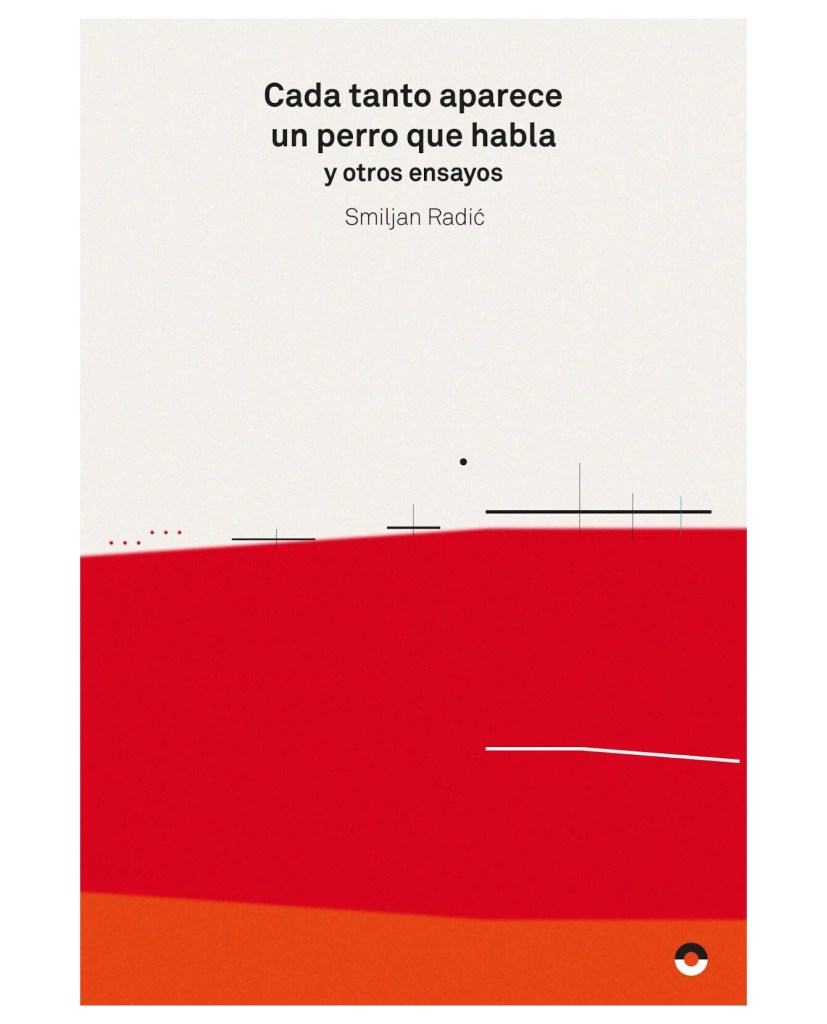
Cada tanto aparece un perro que habla y otros ensayos is not a good book. I want to be measured and not call it poorly written, but stream of consciousness is the most accurate description. It reads as fragments assembled across two decades, texts produced between 1997 and 2017 for various occasions: lectures, exhibition catalogs, book presentations. The problem is that the collection does not cohere into a book. It accumulates.
I bought it about five years ago, started it, and put it down. I returned to it recently, prompted by Radić’s Pritzker Prize recognition. That external validation supplied the patience my own curiosity couldn’t sustain. A few long days later, I was done, and my assessment hadn’t changed. But the book gave me three things worth holding onto.
Write, even imperfectly.
Radić writes prolifically, personally, and unevenly. And yet here I am, having read him, having been provoked by it. The lesson is simple: write, even when the writing resists you, because you cannot anticipate whose thinking yours will unlock. The Pritzker committee was not recognizing his prose. But his willingness to commit ideas to paper across twenty years produced a record now inseparable from how we understand his architecture.
Name your lineage.
Architecture is not invented. It is inherited, from the living and the dead. Radić is transparent about his intellectual debts, his references, his affinities. Reading him prompted a reminder of something I already know but don’t always practice: to state plainly the practitioners I owe something to. Not as citation, but as an honest accounting of where a sensibility comes from. The profession is a tradition, and our work does not exist without that long list of people, known and obscure, who shape the way we see.
Know your places, and be honest about them.
Radić includes a candid inventory: places he has not yet visited and intends to, places that hold no interest, and places he would return to many times over. Reading that list, I found myself checking off the destinations he still wants to reach. I have been to more than two-thirds. His “places I won’t bother with” list also resonated, although I do not necessarily agree with his selection and rationale. There is clarity, and a certain freedom, in acknowledging that some celebrated destinations simply do not call to you, and that returning to a place that already has your attention may be a more honest use of limited time.
The book is short. It should not have taken me five years. But some books require the right moment, not when you acquire them, but when you have accumulated enough patience for what they are actually offering.


